
Table of Contents
What Are Driving Range Ball Baskets?
Driving range ball baskets are one of the most essential tools at any golf practice facility. They are containers used to hold golf balls for golfers during practice sessions. While this may sound simple, these baskets play a significant role in organizing a golf range and making practice efficient. Most baskets are made from durable plastic, although some are metal, and they are designed to be lightweight yet strong enough to hold dozens or even hundreds of golf balls. Golfers, instructors, and range staff rely on these baskets to quickly access balls, making practice sessions smoother and faster.
Beyond just holding balls, driving range ball baskets help maintain order at the range. Imagine a busy practice area without baskets: balls would scatter everywhere, creating safety hazards and wasting time for both golfers and staff. High-quality baskets also make it easier to transport balls from storage areas to tee stations. For golf instructors, baskets allow easy grouping of balls for drills, helping beginners or advanced players focus on skills rather than searching for stray balls. In short, these baskets are not just storage tools—they are a key part of creating a professional and efficient golfing environment.
Types of Driving Range Ball Baskets
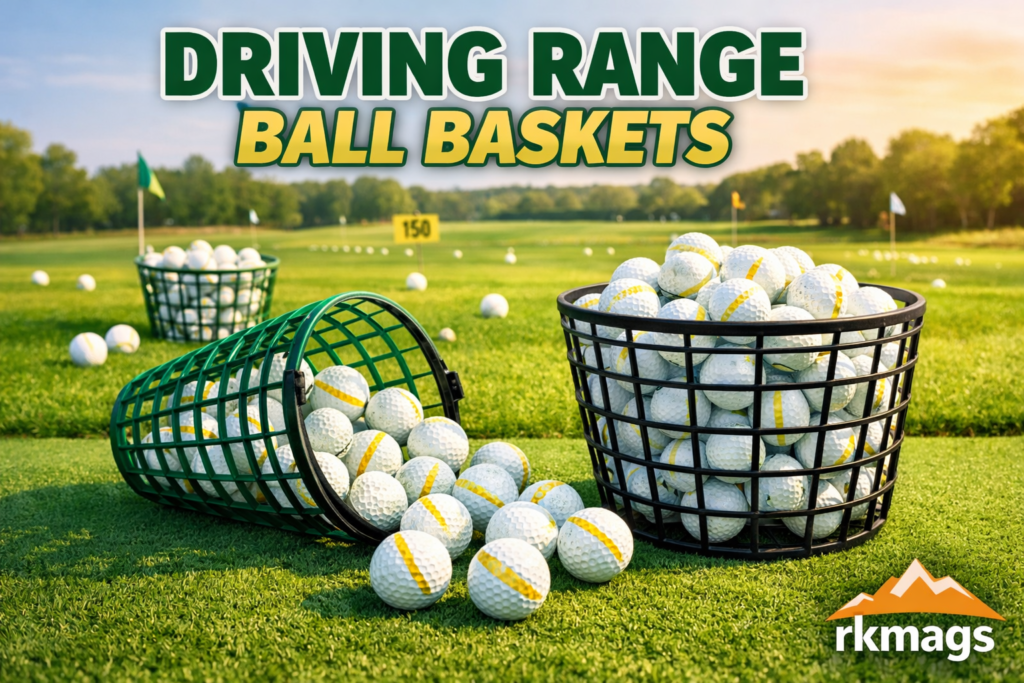
When it comes to driving range ball baskets, there are several types available, each designed to meet the needs of different golfers and facilities. The most common type is the plastic basket, which is lightweight, durable, and resistant to weather conditions. Plastic baskets are available in various sizes, from small baskets holding 25 to 30 balls, to large baskets capable of holding over 100 balls. These baskets are popular because they are easy to carry, stackable for storage, and come in bright colors like yellow, green, or black, making them easy to locate on a busy range. Metal or wire baskets are another option and are often favored for their durability and traditional appearance. They are heavier than plastic baskets and can withstand long-term usage without cracking or breaking, but they may be less portable. Some ranges also use large utility baskets specifically designed for high-volume practice areas where hundreds of balls need to be moved quickly. These baskets may include reinforced bottoms, extra-strong handles, or mesh sides to allow dirt and water to drain, ensuring that balls remain clean and dry during practice.
Each type of basket offers unique benefits depending on the environment and frequency of use. For instance, small personal baskets are ideal for beginners practicing at home or on small driving ranges, while large professional baskets are better suited for commercial ranges where thousands of balls are used daily. The choice between plastic and metal often comes down to balancing weight, cost, and durability. Plastic baskets are generally more affordable and easy to replace, while metal baskets can last for decades if maintained properly. Many facilities use a combination of basket types to optimize operations, such as metal baskets for ball storage and plastic baskets for tee stations. By understanding the different types of driving range ball baskets, golfers and range owners can make informed decisions that improve efficiency, enhance practice sessions, and maintain a professional, organized environment for every golfer who visits the range.
How to Choose the Right Ball Basket for Your Range
Choosing the right driving range ball basket requires more than just picking a container to hold golf balls; it involves understanding the specific needs of your practice environment, the number of golfers using the range, and the type of practice sessions being conducted. Capacity is one of the most important factors to consider because it directly affects the efficiency of practice. Smaller baskets holding 25 to 30 balls are convenient for personal use or beginners who are practicing at home, while larger baskets holding 100 to 300 balls are ideal for commercial driving ranges with high traffic. The size of the basket should align with the expected usage to ensure that golfers have enough balls for continuous practice without constant refilling. Material and durability are also key considerations, as baskets made from strong plastic or metal can withstand repeated handling, exposure to sunlight, and the impact of heavy golf balls without cracking or breaking. Additionally, the handle design plays a subtle but important role, especially in larger baskets, as ergonomic handles reduce strain when moving heavy loads of balls from storage to tee stations.
Other factors include portability, stackability, and overall maintenance. Baskets that are lightweight and easy to carry allow staff and golfers to quickly move balls around the range without slowing down practice. Stackable designs save storage space and keep the range tidy when baskets are not in use. Maintenance considerations, such as the ease of cleaning and resistance to weather conditions, should also influence the decision, particularly for outdoor driving ranges that are exposed to rain, sun, and dirt. For professional ranges, investing in high-quality baskets can improve the overall efficiency of operations, minimize downtime during peak hours, and create a more enjoyable experience for golfers. Understanding these elements ensures that the choice of driving range ball baskets supports both the functional needs of the facility and the comfort and convenience of the golfers, making every practice session smoother, safer, and more productive.
Benefits of Using Quality Driving Range Ball Baskets
Using high-quality driving range ball baskets brings a range of benefits that improve both the efficiency of the golf facility and the overall experience for golfers. One of the most immediate advantages is organization. A well-structured driving range relies on baskets to keep balls neatly contained, preventing them from scattering across the practice area and creating safety hazards. This organization also speeds up practice sessions because golfers can quickly access balls without wasting time searching for them. For instructors and coaches, quality baskets allow them to set up structured drills and exercises, ensuring that players have enough balls for continuous repetition. Baskets with durable materials and comfortable handles make it easy to transport multiple balls from storage areas to tee stations, reducing fatigue and making the process more efficient for staff. Additionally, professional-grade baskets can withstand heavy usage without cracking or breaking, ensuring that facilities don’t face frequent replacement costs and can maintain a smooth workflow even during peak hours.
Beyond organization and durability, quality driving range ball baskets also enhance the golfer’s practice experience by providing convenience and accessibility. When balls are easy to access, golfers can focus entirely on their swing, technique, and accuracy without interruptions. This is particularly valuable during lessons, where consistent repetition is key to skill improvement. The baskets also support cleanliness and maintenance of the range by keeping balls off the ground, reducing dirt and debris accumulation, and helping to maintain the overall appearance of the facility. For home golfers, using a quality basket can bring a more professional feel to personal practice sessions, allowing them to mimic the experience of a commercial range. Investing in the right baskets ultimately benefits everyone involved, from golfers seeking efficient practice to staff managing large volumes of balls, and ensures that the practice environment remains safe, orderly, and enjoyable.
Driving Range Ball Basket Maintenance and Care
Proper maintenance and care of driving range ball baskets are essential to ensure they last longer and continue to function efficiently over time. Regular cleaning is the first step in maintaining these baskets, especially for outdoor ranges where baskets are exposed to dirt, rain, and grass. Baskets made of plastic can be washed with water and mild soap to remove dirt and debris, while metal baskets may require occasional wiping and drying to prevent rust and corrosion. Inspecting baskets frequently for cracks, broken handles, or worn-out edges is also important, as damaged baskets can lead to safety hazards or cause delays during practice sessions. Storing baskets properly when not in use is another key aspect of maintenance. Stackable baskets should be stored in a dry, sheltered area to avoid exposure to sunlight and moisture, which can weaken materials over time. For large commercial ranges, organizing baskets by size and capacity can also save time and help staff quickly identify which baskets are ready for use.
In addition to cleaning and storage, it is important to treat driving range ball baskets as part of an overall range maintenance plan. Avoid overloading baskets beyond their recommended capacity, as excessive weight can damage handles and weaken the structure, reducing their lifespan. Using baskets appropriately for ball collection, transport, and storage ensures that they retain their shape and functionality, allowing golfers and staff to rely on them for smooth practice sessions. Some facilities even implement rotation systems where baskets are regularly cycled between storage, active use, and cleaning to maintain consistent quality. By taking these steps, range owners and golfers can maximize the usefulness of their baskets, protect their investment, and maintain a professional, efficient, and safe practice environment. Quality care of driving range ball baskets not only prolongs their lifespan but also enhances the overall experience of every golfer who visits the range.
Installing and Using Ball Baskets at Range Facilities
Proper installation and strategic use of driving range ball baskets can significantly improve the efficiency and organization of a golf practice facility. Placing baskets in convenient locations near tee stations, ball dispensers, or collection zones ensures that golfers have easy access to balls without interrupting the flow of practice. For commercial ranges, it is important to map out the layout so that baskets are evenly distributed across the practice area, preventing congestion and minimizing the risk of accidents from scattered balls. Staff can also benefit from strategically placed baskets during busy hours, as they can quickly transport balls between storage areas and tee stations. Some facilities even implement color-coded baskets to differentiate between ball types, such as practice balls, premium balls, or balls designated for specific drills, making it easier for golfers and instructors to select the right balls for their sessions. The placement and organization of baskets, though simple, have a large impact on the overall experience of the range, promoting smooth operation and a professional environment.
Using baskets effectively also involves understanding the workflow of a range and the habits of golfers. Large baskets should be placed in high-traffic areas to ensure a constant supply of balls, while smaller baskets can be reserved for individual lessons or home practice stations. It is also important to train staff and golfers on how to handle the baskets correctly, such as not overloading them and carrying them carefully to prevent spillage or damage. Some ranges use a rotation system where empty baskets are returned to storage, filled with new balls, and then redistributed, which keeps the practice area continuously stocked and organized. By adopting these methods, facilities not only improve operational efficiency but also create a safer, more enjoyable environment for everyone. Well-installed and properly used driving range ball baskets streamline practice, reduce downtime, and allow both golfers and staff to focus on performance and improvement rather than managing scattered or misplaced balls.
Ball Baskets vs. Driving Range Ball Dispensers
When considering equipment for a golf range, many people wonder about the differences between driving range ball baskets and ball dispensers, as both serve the purpose of providing golfers with access to practice balls. Ball baskets are simple containers that hold and transport balls, allowing golfers and staff to manage them easily, while ball dispensers are mechanical or automated devices that release a set number of balls at a time, often operated by coins or tokens at commercial ranges. Baskets are highly versatile, portable, and allow golfers to take as many balls as they need, making them ideal for lessons, drills, or personal practice. Dispensers, on the other hand, offer convenience and control for facility owners, ensuring that balls are distributed in a regulated manner and reducing waste or overuse. While dispensers are more complex and require regular maintenance, baskets are low-cost, low-maintenance solutions that provide flexibility in almost any setting, from a professional range to a home practice area. Understanding the distinct roles of both helps range operators and golfers make the most of their practice equipment.
Another important consideration is the combination of baskets and dispensers in managing a range efficiently. Many modern driving ranges use baskets in conjunction with dispensers to create a seamless workflow. Baskets can be filled from a central storage area, and then golfers can take them to the tee stations, while dispensers provide an option for casual players who prefer a controlled number of balls for practice. The use of baskets allows instructors to set up specific drills, such as grouping balls for swing practice or putting exercises, while dispensers standardize distribution for general practice. This combination ensures that the range operates smoothly, maximizes ball usage, and maintains organization even during peak hours. By understanding the differences and complementary nature of driving range ball baskets and ball dispensers, range owners can optimize their facility, improve the golfer experience, and maintain a professional, orderly environment that encourages regular practice and skill development.
Frequently Asked Questions (FAQs)
Golfers and range owners often have many questions about driving range ball baskets, especially when trying to choose the right equipment or maintain it properly. One of the most common questions is whether these baskets are only suitable for commercial driving ranges. The answer is no—ball baskets are incredibly versatile and can be used for personal practice at home, in small indoor or outdoor practice areas, and even for golf lessons in schools or clubs. Another frequent question relates to capacity and size: how many balls should a standard basket hold? While there is no single answer, most personal-use baskets hold between 25 and 50 balls, whereas professional or commercial baskets can hold 100 to 300 balls, depending on the traffic and frequency of use. Material is also a common concern, with golfers asking whether plastic or metal is better. Plastic baskets are lightweight, affordable, and weather-resistant, while metal baskets are extremely durable and can last for decades if maintained properly. These considerations ensure that golfers and instructors select baskets that meet both their immediate and long-term needs.
Other questions often revolve around maintenance and usability. Many golfers want to know how to clean and care for their baskets to prolong their life, and the answer involves regular washing, drying, and careful storage. Some also ask whether baskets can be used for other purposes, such as storing practice equipment or sports balls, and the versatility of most baskets makes this possible, though it is recommended to use them primarily for golf balls to maintain shape and durability. People also ask if ranges sell baskets separately, and most suppliers and golf equipment stores offer individual baskets in different sizes and materials to suit all needs. Understanding the answers to these common questions helps golfers, instructors, and range owners make informed decisions about selecting, using, and caring for driving range ball baskets, ensuring that every practice session is organized, efficient, and enjoyable while maintaining the longevity of the equipment.
Conclusion
Choosing and using the right driving range ball baskets is more important than many golfers and range owners realize, as these seemingly simple tools play a critical role in organizing practice sessions, maintaining safety, and improving overall efficiency. High-quality baskets not only hold and transport balls effectively but also enhance the golfer’s experience by making balls easily accessible, reducing interruptions, and allowing players to focus entirely on their technique and improvement. For range owners and instructors, investing in durable, well-designed baskets helps streamline operations, minimize maintenance, and ensure that staff can manage large volumes of balls without unnecessary effort or delays. The differences in basket types, from plastic to metal, small personal baskets to large commercial baskets, offer solutions for a wide variety of settings, and understanding these differences allows for smarter decisions tailored to the specific needs of the facility and the golfers using it. Properly maintained baskets contribute to a professional and organized environment, which can leave a positive impression on players and encourage repeat visits.
Beyond the functional benefits, driving range ball baskets also symbolize the attention to detail and commitment to quality that distinguishes a well-run golf facility from an average one. Thoughtful placement, careful maintenance, and appropriate selection of baskets improve the pace of practice, reduce waste, and create a safer environment for all users. Even for home golfers, using a quality basket can replicate the efficiency and professionalism of commercial ranges, turning practice into a more focused and enjoyable experience. Whether you are a range owner, instructor, or a golfer practicing at home, understanding the value of driving range ball baskets, how to choose the right one, and how to care for it ensures long-term usefulness and maximizes every practice session. In essence, these baskets are more than containers; they are an essential part of creating a productive, organized, and enjoyable golfing environment for anyone serious about improving their game.