
Table of Contents
What is Home Constraction? (Home Constraction Meaning Explained)
Home constraction (commonly called home construction) is the complete process of building a house from an empty piece of land into a fully livable home. It includes everything from planning the design, preparing the land, building the structure, installing electrical and plumbing systems, and finishing the interior. In simple words, it is the journey of turning an idea of a house into a real building where people can live comfortably. This process usually involves many professionals such as architects, engineers, builders, and contractors who work together step by step to complete the project safely and correctly.
Home constraction is not just about bricks and cement; it is about creating a strong, safe, and comfortable living space. Every decision matters, from the foundation to the roof. A well-planned construction ensures that the house lasts for many years without major issues. On the other hand, poor planning can lead to structural problems, high costs, and delays. That is why understanding the basics of home construction is very important before starting any building project.
Planning Your Home Constraction Project the Right Way
Planning is the most important part of home constraction because it sets the foundation for everything that follows. Before any physical work begins, homeowners must clearly understand their needs, budget, and long-term goals. Good planning starts with choosing the right location because the land affects everything from construction cost to the strength of the building. After that, creating a realistic budget is necessary so that you do not run out of money halfway through the project. Many people underestimate costs and later face financial stress, so careful estimation is very important.
Another key part of planning is getting legal approvals and building permits. Every area has different rules for construction, and ignoring them can lead to legal problems or even stopping the project. It is also important to decide the design of your house early, because changes during construction can increase costs. A smart planning phase includes discussing ideas with architects, comparing designs, and understanding future needs like space for family growth or energy efficiency.
Step-by-Step Home Constraction Process
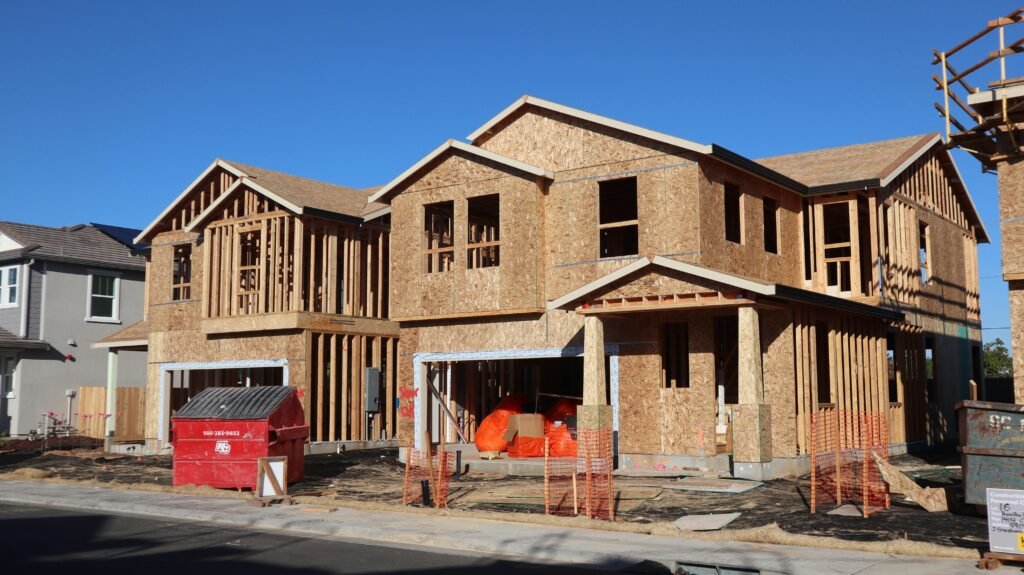
The home constraction process follows a clear step-by-step journey that turns raw land into a finished house. First, the design stage begins where architects create the blueprint of the house. This includes room sizes, structure layout, and overall style. Once the design is approved, the land is prepared by clearing unwanted materials and leveling the ground. After that, the foundation is built, which is one of the strongest parts of the house because it supports the entire structure.
Next comes the framing stage where walls, columns, and the main structure are constructed. After the structure is complete, the roof is added to protect the building from weather conditions. Then, important systems like electrical wiring, plumbing pipes, and ventilation are installed inside the walls. Once the internal systems are ready, finishing work begins, which includes flooring, painting, doors, windows, and interior decoration. Finally, a full inspection is done to ensure everything is safe and properly built before handing over the house to the owner.
Cost of Home Constraction (Budget Breakdown Explained)
The cost of home constraction depends on many factors such as location, material quality, house size, and labor charges. On average, construction cost is divided into two main parts: material cost and labor cost. Materials like cement, bricks, steel, and wood usually take a large portion of the budget, while skilled labor like masons, electricians, and plumbers also adds significant cost. In many cases, unexpected expenses also appear during construction, which is why a flexible budget is always recommended.
Best Materials Used in Home Constraction
Materials play a very important role in the strength and durability of a house. The most commonly used materials in home constraction include cement, bricks, sand, gravel, and steel bars. These materials form the basic structure of the house and ensure long-term stability. Wood is often used for doors, windows, and interior design, while concrete is used for strong foundations and walls.
In modern home construction, people are also using eco-friendly materials like recycled wood, energy-efficient glass, and green insulation. These materials not only reduce environmental impact but also help in saving energy costs in the long run. Choosing the right materials is important because low-quality materials may reduce the life of the house and increase maintenance costs later.
How Long Does Home Constraction Take? (Timeline Explained)
The time required for home constraction depends on the size and complexity of the house. A small house may take 3 to 6 months, while a larger or more detailed house can take 8 to 18 months or even longer. The timeline is affected by many factors such as weather conditions, material availability, labor efficiency, and design changes during construction.
Delays are very common in construction projects, especially when materials arrive late or workers face unexpected issues. However, proper planning and good management can reduce delays significantly. A well-organized project with experienced contractors usually finishes faster and more efficiently compared to poorly managed construction work.
Hiring Contractors for Home Constraction
Hiring the right contractor is one of the most important steps in home constraction because the quality of your house depends heavily on the people building it. A good contractor not only understands construction work but also manages time, labor, and materials in a proper way. When you are choosing someone for your home construction project, it is important to check their previous work, experience, and reputation in the market. Many people make the mistake of choosing the cheapest option, but in home constraction, low price can sometimes lead to low quality work, delays, or hidden costs later. A professional contractor will guide you from start to finish and help you avoid serious construction problems.
At the same time, communication between you and the contractor is very important. You should clearly explain your budget, design expectations, and timeline before starting the work. A proper written agreement is also necessary because it protects both sides and reduces misunderstandings during the project. In home construction, even small mistakes in communication can lead to big problems like design errors or extra expenses. That is why it is always better to work with someone who is transparent, experienced, and willing to keep you updated throughout the construction process.
Common Problems in Home Constraction and How to Avoid Them
Home constraction projects often face many challenges, especially when planning and management are not done properly. One of the most common problems is going over budget, which happens when material prices increase or unexpected changes are made during construction. Another issue is delay in the project, which can happen due to poor planning, weather conditions, or lack of workers. Sometimes, homeowners also face quality problems where materials or workmanship are not up to standard, which can affect the safety and durability of the house.
These problems can be reduced with careful planning and regular supervision. In home construction, it is very important to monitor progress at every stage instead of waiting until the end. Visiting the site regularly helps you understand what is happening and catch mistakes early. It is also helpful to choose quality materials from the beginning instead of trying to save money on important structural parts. A well-managed home constraction project always focuses on balance between cost, quality, and time so that the final result is strong, safe, and long-lasting.
Modern Trends in Home Constraction
Modern home constraction has changed a lot compared to traditional building methods. Today, people are not only focusing on strong houses but also on smart and energy-efficient homes. One major trend is smart home technology, where systems like lighting, security, and temperature control can be managed through mobile phones. Another growing trend is eco-friendly construction, where builders use materials that reduce environmental damage and help save energy costs in the long run. These modern approaches make homes more comfortable, safe, and future-ready.
Another important trend in home construction is the use of faster building methods like prefabricated or modular homes. In this method, parts of the house are built in factories and then assembled on-site, which reduces construction time. Modern design styles like open spaces, minimal interiors, and natural lighting are also becoming very popular. In today’s world, home constraction is not just about building walls and roofs, but about creating a lifestyle that is efficient, modern, and sustainable for future generations.
Final Thoughts on Home Constraction
Home constraction is a long and important journey that requires careful planning, patience, and smart decision-making. From choosing the land to finishing the interiors, every step plays a major role in creating a safe and comfortable living space. If the process is planned properly, it becomes much easier to control costs, avoid delays, and achieve the desired results. A well-built home is not just a structure made of bricks and cement, but a place where memories are created and life is lived peacefully.
Before starting any home construction project, it is always important to understand your needs, set a realistic budget, and work with experienced professionals. The success of home constraction depends on how well each stage is managed from beginning to end. When time, quality, and planning are balanced correctly, the result is a strong and beautiful home that lasts for many years and provides comfort for generations.