
Table of Contents
Introduction
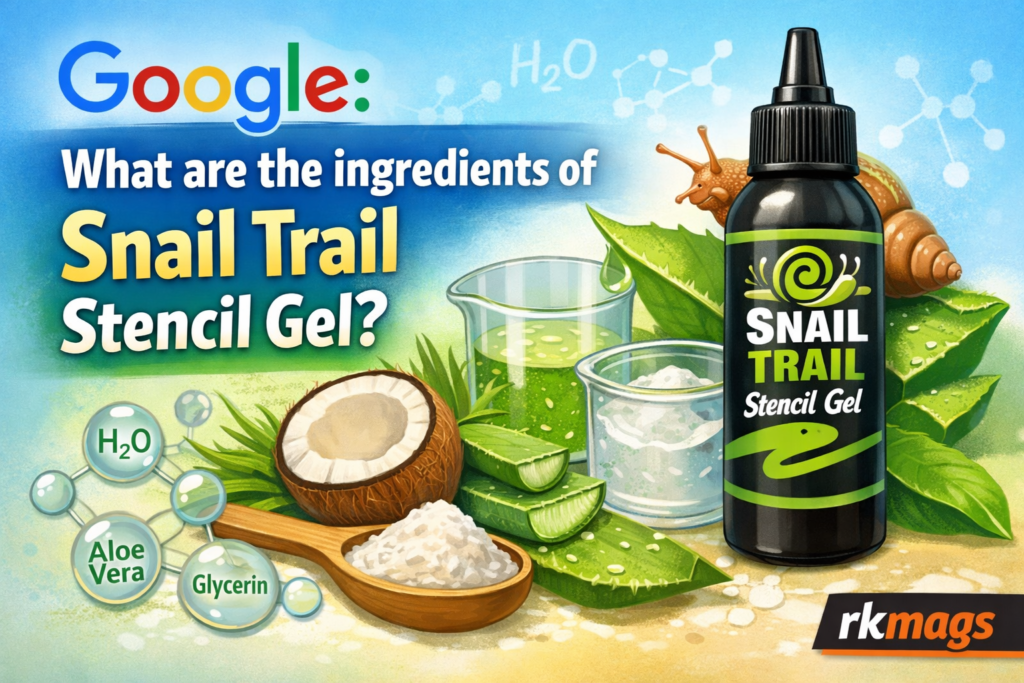
When it comes to tattooing, one of the most important tools for achieving crisp, clear designs is stencil gel, and one of the most popular products on the market is Snail Trail Stencil Gel. Many artists and enthusiasts often wonder, “Google what are the ingredients of Snail Trail Stencil Gel?” This question is not only about curiosity but also about understanding what makes this gel safe, effective, and reliable for transferring designs onto skin. Snail Trail Stencil Gel is known for its ability to create sharp, long-lasting stencils that don’t smudge easily, helping tattoo artists maintain precision during their work. While the exact formula is proprietary, exploring the common ingredients, how they work together, and their safety can give users a clearer idea of what’s in the gel and how it performs. In this guide, we will cover everything from the basic composition of the gel, whether it actually contains snail mucin, how to use it properly, and even alternatives if you want to try DIY solutions.
Understanding stencil gels like Snail Trail is crucial because the ingredients directly affect how well a stencil adheres to the skin, how long it lasts, and how safe it is for different skin types. Many tattoo artists have shared that choosing the right stencil gel can significantly improve workflow and tattoo quality, as a poorly applied stencil can lead to errors and faded designs. Throughout this article, we will answer all the key questions related to Snail Trail Stencil Gel, including its ingredients, benefits, potential risks, and practical tips for application. By the end, readers will have a complete understanding of this essential tattooing product, making it easier to decide if it suits their needs.
What Is Snail Trail Stencil Gel?
Snail Trail Stencil Gel is a specialized product used in the tattooing process to transfer a design from stencil paper onto the skin with precision and clarity. Unlike ordinary transfer methods, this gel creates a strong but safe bond between the stencil and the skin, ensuring that the lines remain sharp and intact throughout the tattooing process. The gel has a smooth, slightly sticky texture that allows it to hold the stencil in place without smudging or bleeding, which is essential for intricate designs and detailed work. Tattoo artists often prefer Snail Trail because it dries quickly, stays visible during the entire tattoo session, and is easy to clean off afterward. Many people searching online for “Google what are the ingredients of Snail Trail Stencil Gel” want to understand not just its use but also what makes it work so effectively, from its adhesive qualities to its skin-safe formulation. It is designed to be compatible with all skin types, minimizing irritation and ensuring that both professionals and enthusiasts can achieve a perfect stencil transfer every time.
The gel is widely recognized for its reliability and ease of use in professional tattoo studios as well as for personal or practice work. While it is commonly called Snail Trail, the name does not necessarily indicate that snail mucin is part of its formula; it is mainly a brand identifier that has become synonymous with high-quality stencil gels. Over the years, Snail Trail Stencil Gel has built a reputation among artists for producing clean, clear, and durable stencil marks that make the tattooing process smoother and more efficient. Its formula is designed to work in harmony with the skin, creating a temporary transfer that can endure the stretching and movement of skin during tattooing without smearing or fading. Understanding what makes this gel effective is key for anyone interested in professional tattooing or learning how to achieve precise stencil transfers, and knowing its ingredients helps users make informed decisions about safety, application, and alternative options.
Core Purpose – Tattoo Stencil Transfer Explained
The primary purpose of Snail Trail Stencil Gel is to ensure that a tattoo design is accurately and clearly transferred from the stencil paper to the skin, providing a precise guide for the tattoo artist to follow. When a stencil is applied without a proper transfer gel, the lines can blur, fade, or smudge, leading to mistakes or uneven designs that are difficult to correct. Snail Trail works by creating a thin, even layer on the skin that holds the stencil ink in place, allowing the artist to trace over it with a tattoo machine while maintaining perfect line definition. This is particularly important for complex designs, intricate patterns, or fine line tattoos where even a small deviation can impact the final result. Tattoo artists often report that using a reliable stencil gel like Snail Trail not only saves time but also reduces stress during the tattooing process because they can trust that their stencil will remain intact for the duration of the session. The gel’s formulation is specifically designed to balance adhesion and removability, ensuring that it sticks well enough to hold the stencil but can be washed off cleanly without leaving residue or irritating the skin.
Beyond simply holding the stencil, Snail Trail Stencil Gel contributes to the overall quality and efficiency of the tattooing process by making the stencil visible and durable under different conditions. Skin naturally secretes oils and moisture, and during a tattoo session, movement and friction can cause a stencil to fade or smear, which is where the gel’s unique formula plays a critical role. The ingredients work together to create a protective barrier that stabilizes the stencil lines, helping them resist fading even when the skin stretches or the artist works on larger areas. This ensures that the tattoo artist has a clear roadmap throughout the process, minimizing errors and improving the final design’s accuracy. Artists and beginners alike benefit from this reliability, which is why the question “Google what are the ingredients of Snail Trail Stencil Gel” is so common, as users want to understand how the formula achieves this balance between strong adhesion, skin safety, and easy removal. Knowing how the gel functions and why it is effective can help users choose the right product for their tattooing needs and apply it correctly to maximize results.
Typical Ingredients of Snail Trail Stencil Gel
Understanding the typical ingredients of Snail Trail Stencil Gel is essential for anyone who wants to know how it works and why it is considered safe and effective for tattoo stencil transfers. While the exact formulation of Snail Trail is proprietary, most professional stencil gels contain a combination of water, humectants, film-forming polymers, and skin-safe preservatives. Water acts as the base of the gel, providing the right consistency and allowing other ingredients to dissolve evenly. Humectants are added to attract and retain moisture, which helps the stencil adhere to the skin without drying out too quickly. Film-forming polymers create a thin, flexible layer over the skin that holds the stencil in place, preventing smudging even when the skin moves or stretches during tattooing. Preservatives ensure the gel remains safe for use over time, preventing bacterial or fungal growth while maintaining the integrity of the formula. These ingredients work together to create a gel that is sticky enough to hold the stencil securely, yet gentle enough to be washed off easily, leaving no residue or irritation on the skin.
In addition to these core components, some stencil gels may include skin conditioners or additives to improve glide and comfort during application. These ingredients enhance the user experience by making the gel smooth to spread, reducing friction, and minimizing the risk of allergic reactions or irritation. Tattoo artists often emphasize that using a high-quality gel with a balanced ingredient profile, like Snail Trail, results in clearer and longer-lasting stencil lines, which in turn improves the accuracy and efficiency of the tattoo process. While the exact ingredient percentages are not publicly disclosed, understanding the function of each component helps users appreciate why the gel performs so well and why it has become a staple in professional tattoo studios. By knowing what typically goes into Snail Trail Stencil Gel, artists and beginners alike can make informed decisions about safety, application, and alternatives, while also understanding the science behind its ability to create crisp, precise stencils.
Do Snail Trail Stencil Gel Ingredients Include Snail Mucin?
Despite its name, Snail Trail Stencil Gel does not necessarily contain snail mucin, and the term “snail trail” is primarily a brand identifier rather than a reflection of its actual ingredients. Many people searching for “Google what are the ingredients of Snail Trail Stencil Gel” are curious whether the gel contains real snail slime, which is popular in skincare products for its moisturizing and healing properties. In tattoo stencil gels, however, the focus is on adhesion, visibility, and safety rather than skin regeneration, so the formula is typically composed of synthetic polymers, humectants, and preservatives that perform these functions effectively. Tattoo stencil gels are designed to create a stable transfer without causing irritation or allergic reactions, and including snail mucin is neither necessary nor standard practice. The gel is formulated to be vegan-friendly, non-toxic, and compatible with a wide range of skin types, which makes it a trusted choice for both professional artists and hobbyists. Understanding this helps clarify that the name “snail trail” refers to the gel’s smooth application and ability to leave a clear, precise trail on the skin, rather than implying any animal-derived content.
While the absence of snail mucin may surprise some first-time users, it is important for safety and practicality in tattooing. Snail mucin, while beneficial in cosmetic applications, is not needed for stencil adhesion and could complicate the formula by altering consistency or shelf life. Instead, the ingredients in Snail Trail Stencil Gel are carefully selected to balance stickiness, quick drying, and removability, ensuring that stencils remain intact during the tattooing process without leaving residue or causing irritation. Many artists appreciate that the gel is simple yet effective, allowing them to focus on the precision of their work rather than worrying about the gel breaking down too quickly or affecting the skin negatively. Knowing that the gel is free from snail mucin also reassures users who prefer vegan or cruelty-free products, aligning with ethical choices without compromising performance. By understanding what is and isn’t in the gel, tattoo artists can make informed decisions about which products to trust for professional or personal use, and they can confidently apply the gel knowing it is formulated specifically for stencil transfer, not skincare.
How Snail Trail Stencil Gel Ingredients Work Together
The ingredients in Snail Trail Stencil Gel work together in a carefully balanced formula to achieve the perfect combination of adhesion, clarity, and skin safety that professional tattoo artists rely on. Water serves as the base, ensuring the gel has a smooth consistency that is easy to spread evenly across the skin, while humectants attract and retain just enough moisture to allow the stencil to adhere properly without drying too quickly or causing stickiness that interferes with application. Film-forming polymers create a thin, flexible layer over the skin, holding the stencil ink in place and preventing smudging even when the skin stretches or moves during tattooing. Preservatives stabilize the formula and extend shelf life, protecting the gel from microbial growth and maintaining its effectiveness over time. Together, these ingredients create a gel that is both functional and gentle, allowing the stencil to remain clear and durable throughout the tattooing process while also being safe for all skin types. This synergy of components is what makes Snail Trail Stencil Gel a preferred choice for tattoo professionals who need a product that performs consistently every time.
In addition to the basic functional ingredients, minor additives such as skin conditioners or texture enhancers may be included to improve the feel and spreadability of the gel. These elements help the gel glide smoothly on the skin, reducing friction during application and ensuring an even transfer of the stencil design. The careful interaction of all components allows the stencil to dry quickly without cracking, smudging, or fading, which is crucial for maintaining precision in detailed designs. Tattoo artists frequently highlight that this balance of ingredients is what differentiates high-quality stencil gels like Snail Trail from cheaper alternatives that may leave streaks, fade too quickly, or irritate the skin. By understanding how each ingredient contributes to adhesion, visibility, and skin compatibility, users can better appreciate the science behind the gel’s effectiveness and make informed choices about product selection, application techniques, and overall safety during the tattooing process.
Potential Side Effects or Irritation Risks
Although Snail Trail Stencil Gel is formulated to be gentle and safe for most skin types, there is always a possibility of irritation or allergic reactions in sensitive individuals. Some users may experience mild redness, itching, or discomfort, especially if they have very sensitive skin or are prone to allergies from certain preservatives or polymers used in the gel. It is important to note that while these side effects are rare, they can occur if the gel is applied too thickly, left on for an extended period, or used on broken or inflamed skin. Tattoo artists often recommend performing a small patch test before full application to ensure compatibility, particularly when using the gel on clients for the first time. Understanding the potential risks helps users approach the product with caution and awareness, allowing them to enjoy the benefits of crisp and clear stencil transfers without compromising safety. This is why questions like “Google what are the ingredients of Snail Trail Stencil Gel” are so common, as users want reassurance that the product is formulated responsibly and is unlikely to cause harm when used correctly.
Even with proper precautions, it is important to follow best practices to minimize any side effects. Cleaning the skin thoroughly before applying the gel, avoiding contact with mucous membranes, and washing the gel off completely after use are all crucial steps to prevent irritation. Some individuals may have specific allergies to certain chemicals or preservatives, so knowing the general ingredients and how they interact with the skin is helpful in avoiding adverse reactions. Professional tattoo artists are trained to recognize and manage minor reactions and can advise clients accordingly, while beginners should always err on the side of caution. By understanding both the benefits and potential risks of Snail Trail Stencil Gel, users can make informed decisions, apply the gel safely, and achieve the precise, long-lasting stencil results that make this product a trusted choice in tattoo studios around the world.
How to Use Snail Trail Stencil Gel Correctly
Using Snail Trail Stencil Gel correctly is key to achieving clean, precise, and long-lasting stencil transfers, and understanding the proper technique can make a significant difference in the quality of your tattoo work. To start, the skin should be thoroughly cleaned and free of oils, dirt, or lotions, as these can interfere with the gel’s adhesion and cause the stencil to smudge or fade prematurely. A small amount of gel should then be applied evenly over the area where the stencil will be placed, spreading it smoothly to create a thin, consistent layer that will hold the stencil design securely. Once the gel is applied, the stencil paper is carefully pressed onto the skin and held in place for a few moments to ensure the design transfers completely. After lifting the stencil paper, the transferred lines should be crisp, clear, and ready for the tattooing process. Applying too much gel or using uneven pressure can result in smudges, incomplete transfers, or fading, so precision and patience are crucial at every step. Many professional tattoo artists emphasize that the effectiveness of the gel is not just in its ingredients but also in the proper application technique, which allows the stencil to stay intact even during long or intricate tattoo sessions.
After the stencil has been transferred, it is important to allow it to dry briefly before beginning the tattoo, as this helps the lines remain sharp and prevents smearing while the skin is being worked on. Throughout the tattooing process, the gel continues to provide a stable base that keeps the stencil visible, even with the movement and stretching of the skin. Once the tattoo is complete, any remaining gel can be washed off easily with water or a gentle cleanser, leaving no residue or irritation. Artists often report that following these steps carefully results in a more efficient workflow and reduces the chances of errors or uneven lines, making the tattooing process smoother and less stressful. Understanding how the gel interacts with the skin and following the correct method ensures not only the best results but also the safety and comfort of the client or user. With consistent practice, using Snail Trail Stencil Gel becomes a straightforward part of the tattooing routine, helping both beginners and professionals achieve professional-quality stencils every time.
Alternatives and DIY Stencil Gel Ingredients
While Snail Trail Stencil Gel is a trusted product in professional tattoo studios, some artists and enthusiasts explore alternatives or DIY versions of stencil gels to achieve similar results, especially when working on a budget or experimenting with different techniques. Common alternatives include other commercial stencil gels that contain similar adhesive polymers and humectants designed for clear and long-lasting stencil transfers. These products often promise comparable results in terms of line clarity, durability, and skin safety, making them viable options for both beginners and seasoned tattoo artists. Many people are drawn to these alternatives because they may come in different consistencies, sizes, or formulations, allowing users to select a gel that best suits their specific needs. Additionally, understanding the composition of Snail Trail Stencil Gel helps users compare ingredients and performance between products, ensuring they choose a solution that maintains the same balance of adhesion, visibility, and skin-friendly properties. The effectiveness of any stencil gel ultimately depends on its ability to transfer crisp lines and hold the design throughout the tattooing process, so looking at alternative products can provide flexibility without compromising quality.
DIY stencil gels are also popular among tattoo hobbyists who want to create their own formulas at home. Common DIY recipes often use a combination of water, glycerin, or propylene glycol mixed with a small amount of a skin-safe adhesive to mimic the gel’s performance. While these homemade options can be effective in producing a temporary stencil, they may not always match the reliability, safety, or consistency of commercial products like Snail Trail. Users must be cautious when experimenting with DIY gels, as incorrect proportions or unsafe ingredients could cause skin irritation or interfere with the stencil transfer. Many artists recommend sticking to professionally formulated gels for clients or detailed work, while DIY solutions may be suitable for practice or personal experimentation. Understanding both commercial alternatives and DIY options provides a broader perspective for tattoo artists and enthusiasts, allowing them to make informed choices about which stencil gel best fits their workflow, safety standards, and creative goals.
FAQs – Google What Are the Ingredients of Snail Trail Stencil Gel
Many people searching for “Google what are the ingredients of Snail Trail Stencil Gel” have similar questions about the product’s composition, safety, and proper use. One common question is whether the gel contains real snail mucin, which is often associated with skincare products for its healing and moisturizing properties. As discussed earlier, Snail Trail Stencil Gel does not typically include snail mucin; the name is mainly a branding choice and does not reflect the actual ingredients. Another frequent concern is whether the gel is safe for sensitive skin. The gel is formulated with skin-friendly polymers, humectants, and preservatives designed to minimize irritation, making it suitable for most users, though a patch test is always recommended before full application. Users also want to know how long the stencil lasts on the skin, and the answer depends on skin type, movement, and application technique, but the gel is engineered to keep stencil lines sharp and clear for the duration of a typical tattoo session. These questions highlight the importance of understanding both the composition and functional purpose of stencil gels, helping users feel confident in their choice of product.
Other frequently asked questions revolve around application tips, removal, and alternative options. Some beginners ask whether the gel can be used for temporary tattoos or practice, and the answer is yes; Snail Trail Stencil Gel works well for both professional and personal use, creating clear designs that can be washed off easily. People also inquire about alternatives or DIY substitutes, and while there are home recipes that mimic the gel’s properties, professionally formulated gels like Snail Trail offer more consistent results and higher safety standards. Finally, many users are concerned about possible allergic reactions, and while side effects are rare, minor irritation can occur in sensitive individuals, reinforcing the need for proper skin preparation and patch testing. These FAQs collectively provide a comprehensive understanding of what to expect from Snail Trail Stencil Gel, addressing both practical application and safety considerations, and helping readers make informed decisions about which stencil gel to use for their tattoo projects.
Conclusion
In summary, Snail Trail Stencil Gel is a carefully formulated product designed to provide tattoo artists and enthusiasts with a reliable and effective way to transfer stencil designs onto the skin with precision and clarity. While many people search for “Google what are the ingredients of Snail Trail Stencil Gel” to understand what makes it work so well, the gel is primarily composed of skin-safe polymers, humectants, water, and preservatives that work together to create a smooth, adhesive layer for stencil transfers. These ingredients ensure that the stencil remains visible, sharp, and durable during the tattooing process while also being gentle on the skin and easy to remove afterward. The gel’s name, which may suggest the presence of snail mucin, is actually a branding choice and does not indicate any animal-derived content, making it suitable for vegan and cruelty-free preferences. Understanding the composition, functionality, and safety of Snail Trail Stencil Gel helps users apply it correctly, achieve professional results, and minimize the risk of irritation or errors during tattooing.
Using Snail Trail Stencil Gel correctly and understanding its ingredients not only enhances the quality of tattoo work but also provides peace of mind for both artists and clients. The gel’s carefully balanced formula, which combines adhesion, quick drying, and skin compatibility, ensures that stencil lines stay crisp even during long sessions or on challenging areas of the body. Alternatives and DIY options exist, but professional products like Snail Trail offer consistent performance, safety, and reliability that are hard to replicate with homemade gels. By following proper application techniques, preparing the skin, and understanding how the ingredients work together, users can maximize the benefits of this stencil gel and achieve the clean, precise designs that are essential for high-quality tattoos. Overall, Snail Trail Stencil Gel remains a trusted choice for anyone looking to produce professional-level stencil transfers while maintaining safety, efficiency, and artistic accuracy throughout the tattooing process.