
Table of Contents
What Is a 1 4 Wheel Spacer?
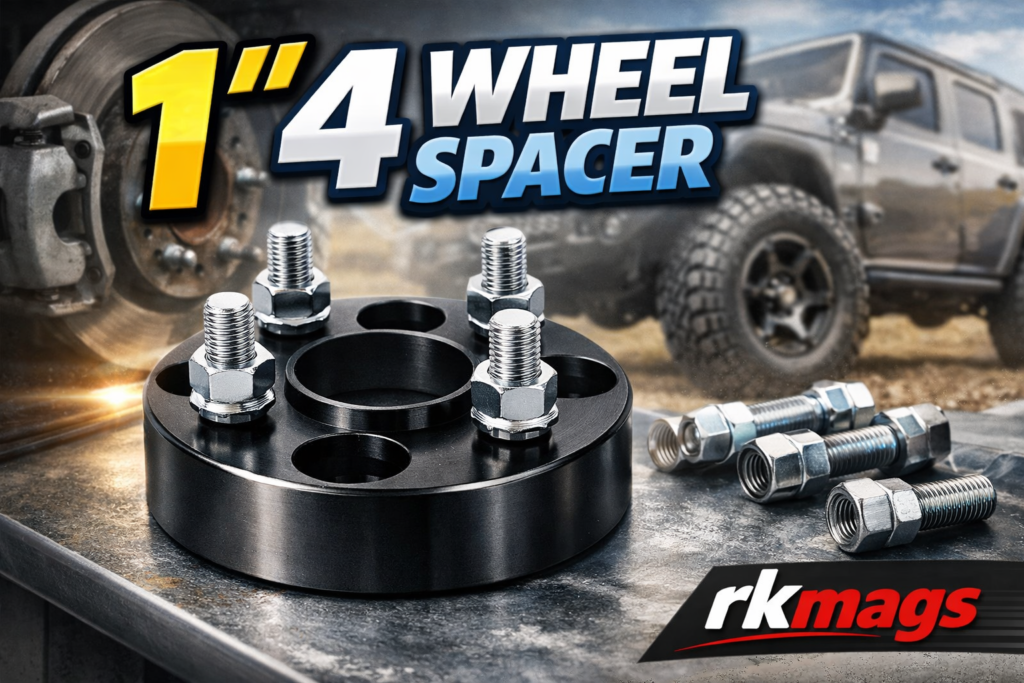
A 1 4 wheel spacer is a car accessory designed to fit between the wheel hub and the wheel itself, creating extra space between the wheel and the car’s suspension. This small but powerful component is used to adjust the wheel offset, which is the distance between the wheel mounting surface and the wheel’s centerline. Essentially, by installing a spacer on all four wheels, you push the wheels outward slightly, giving your vehicle a wider stance. Many people think of spacers as purely aesthetic, but they also play a crucial role in improving stability, handling, and tire clearance. When you hear “1 4 wheel spacer,” it usually refers to installing spacers on all four wheels, which balances the car’s look and performance. For beginners, it’s important to know that wheel spacers come in different sizes and types, like hub-centric or lug-centric, and the choice depends on your car’s make, model, and intended use. A well-fitted spacer can enhance your driving experience significantly, while poorly chosen ones may create vibration, stress on suspension parts, or other safety issues. Car enthusiasts, off-road drivers, and people installing aftermarket wheels often use 1 4 wheel spacers to make their car look more aggressive while maintaining proper alignment and balance. Studies and reviews from auto specialists have shown that, when installed correctly, wheel spacers can safely increase vehicle performance by improving cornering stability and allowing better fitment for wider tires and larger brake kits.
How 1 4 Wheel Spacers Work and Why People Use Them
A 1 4 wheel spacer works by creating additional space between the wheel hub and the wheel itself, which effectively changes the wheel’s position relative to the car’s suspension. When you install spacers on all four wheels, the vehicle’s track width—the distance between the left and right wheels—is increased, giving the car a more stable and planted feel on the road. This wider stance can improve handling, especially during cornering, because it reduces body roll and enhances tire grip. Beyond performance, wheel spacers allow drivers to install larger tires or aftermarket wheels that may not naturally fit due to brake calipers, suspension arms, or wheel offset limitations. For cars with stock wheels, installing a 1 4 wheel spacer can make the wheels sit flush with the fenders, providing a more aggressive and visually appealing look without compromising safety if the correct size and type are used. Many off-road and performance vehicle owners rely on these spacers to achieve both functional and aesthetic improvements, making them a versatile upgrade for daily drivers, sports cars, and trucks alike.
People use 1 4 wheel spacers not just for looks but also for practical reasons related to vehicle performance and fitment. For example, adding spacers can prevent tires from rubbing against suspension components or fenders, especially when upgrading to wider tires. Hub-centric spacers, which fit snugly over the hub, ensure the load is distributed evenly and reduce the risk of vibrations, while lug-centric spacers rely on the wheel bolts for alignment and may require more precise installation. Installing spacers on all four wheels keeps the car balanced, avoiding uneven handling issues that could arise if spacers were only used on one axle. Car enthusiasts often report that vehicles with properly installed spacers feel more planted during high-speed driving and offer better responsiveness in turns. In addition to performance, there is a psychological and visual impact, as the car appears more aggressive, wider, and well-tuned, which is particularly appreciated in performance builds or custom modifications. Overall, 1 4 wheel spacers provide a combination of functional benefits and visual appeal, making them a popular choice for drivers looking to enhance both the look and driving dynamics of their vehicles.
Top Benefits of Installing 1 4 Wheel Spacers
Installing 1 4 wheel spacers offers a range of benefits that go beyond just improving the look of your car, making them a practical upgrade for many vehicle owners. One of the most noticeable advantages is improved handling and stability. By widening the track width on all four wheels, the car experiences less body roll when cornering, which enhances grip and allows for a more controlled, confident drive. This is particularly important for performance vehicles or cars with upgraded suspensions, where precision in handling is crucial. Additionally, spacers can create more clearance between tires and brake components or suspension arms, enabling the installation of larger tires or high-performance brake kits without the risk of rubbing or damage. This means that drivers who want to upgrade their tires for better traction or off-road capability can do so without being limited by the stock wheel offset. Beyond functional performance, wheel spacers help achieve a flush, aggressive stance, pushing the wheels outward so they align perfectly with the fender line. This visual enhancement is highly sought after in custom car builds, as it gives the vehicle a more planted and muscular appearance while maintaining proper balance and alignment.
Another major benefit of 1 4 wheel spacers is compatibility with aftermarket wheels, which often have different offsets than factory wheels. Spacers allow these wheels to fit correctly without compromising safety or causing vibrations. Many car enthusiasts find this particularly useful when upgrading to wider or performance-oriented wheels, as spacers ensure that the wheels sit in the ideal position relative to the suspension. In addition to functional and aesthetic benefits, properly installed spacers can also contribute to better weight distribution and handling symmetry, especially when installed on all four wheels, which keeps the vehicle balanced and predictable in various driving conditions. Experienced drivers and professional tuners often note that vehicles with the right spacers feel more responsive, giving a sense of enhanced control during acceleration, braking, and cornering. Furthermore, using high-quality, hub-centric spacers minimizes stress on wheel studs and bearings, making them a safe and reliable option when chosen and installed correctly. Overall, 1 4 wheel spacers combine performance, safety, and style, providing an upgrade that is as functional as it is visually striking, making them a preferred choice for daily drivers, sports cars, and off-road enthusiasts alike.
Risks and Downsides of Using 1 4 Wheel Spacers
While 1 4 wheel spacers provide numerous benefits, it is important to understand the potential risks and downsides associated with their use to ensure safe and reliable performance. One of the main concerns is the increased stress on suspension components and wheel bearings. By pushing the wheels outward, spacers create additional leverage on wheel studs, hub assemblies, and suspension arms, which can lead to faster wear or even failure if the spacers are poorly designed or improperly installed. This stress is particularly significant on vehicles with heavier wheels or larger tires, as the extra weight amplifies the force on the suspension system. Another potential risk is vibration or wobble, which can occur if the spacer is not hub-centric or if it is not tightened to the correct torque specifications. Even minor imperfections in spacer thickness or fitment can result in steering instability or uncomfortable vibrations at higher speeds. Additionally, some spacers may alter the scrub radius and steering geometry slightly, which could affect handling characteristics if the vehicle is driven aggressively or in tight corners. Drivers should also be aware of legal and warranty considerations, as some regions have regulations regarding wheel modifications, and improper installation might void manufacturer warranties.
Another downside of using 1 4 wheel spacers is that they may affect ride quality and long-term durability if not selected carefully. Using cheap or universal spacers that do not match the vehicle’s hub specifications can lead to uneven pressure distribution, which increases the risk of hub or stud damage over time. In extreme cases, this can compromise safety, especially during emergency maneuvers or when driving on rough terrain. Even high-quality spacers require proper maintenance, such as re-torquing after the first few miles of driving and periodic checks to ensure no loosening or corrosion has occurred. Some drivers also report that adding spacers changes the car’s handling feel slightly, making steering feel heavier or more sensitive due to the wider track. While these effects are generally minor with properly installed, high-quality spacers, they highlight the importance of choosing the correct material, thickness, and type for your specific vehicle. Overall, while 1 4 wheel spacers can greatly enhance performance and aesthetics, ignoring the potential risks or cutting corners on installation can lead to safety issues, premature component wear, and legal complications, making careful selection and professional installation essential for long-term satisfaction.
1 4 Wheel Spacer Sizes and How to Choose the Right One
Choosing the right 1 4 wheel spacer is critical for both safety and performance, as the wrong size can lead to vibrations, poor handling, or excessive stress on suspension components. Wheel spacers come in various thicknesses, commonly ranging from 5mm to 30mm or more, and the correct thickness depends on your vehicle’s wheel offset, tire size, and intended use. A thinner spacer may be sufficient for minor adjustments, such as achieving a flush wheel look or clearing small brake calipers, while thicker spacers are often required for wider tires, aftermarket wheels, or lifted off-road vehicles. Additionally, spacers are available in different designs, such as hub-centric, which fit snugly over the hub and distribute weight evenly, and lug-centric, which rely on the wheel studs for alignment. Hub-centric spacers are generally safer and recommended for high-speed driving because they minimize the risk of vibration and uneven pressure. Material choice is also essential, as high-quality aluminum or forged alloys provide the strength needed to handle road stresses without adding unnecessary weight, whereas cheaper steel or low-grade aluminum spacers may warp or corrode over time. When selecting a spacer, it is important to measure your hub diameter, wheel bolt pattern, and offset carefully and, if possible, consult a professional to ensure the spacer complements your specific vehicle setup.
Beyond measurements and material, choosing the right 1 4 wheel spacer involves understanding how they will affect your car’s overall performance and appearance. Installing spacers on all four wheels helps maintain balanced handling, while using different thicknesses on the front and rear can alter weight distribution and steering feel. Many car enthusiasts use spacers not only to achieve a more aggressive stance but also to improve clearance for larger brake kits or wider tires, which can enhance grip, traction, and stability. High-quality spacers are designed to withstand the stresses of daily driving, spirited cornering, and off-road conditions, but regular inspection and maintenance are still necessary to ensure safety. It is also worth noting that oversized or improperly fitted spacers may lead to increased wear on wheel studs, bearings, and suspension components, reducing the lifespan of these parts. Ultimately, the right 1 4 wheel spacer is a balance between performance, safety, and aesthetics, and investing in quality products and proper installation will provide the most reliable and satisfying results for any vehicle owner looking to enhance both the look and driving dynamics of their car.
Step-by-Step Installation of 1 4 Wheel Spacers
Installing 1 4 wheel spacers properly is crucial to ensure both safety and performance, and while the process may seem straightforward, attention to detail can make a significant difference in the outcome. The first step is always to prepare the vehicle safely by parking on a flat surface, engaging the parking brake, and using jack stands to support the car securely. Removing the wheels carefully and cleaning the hub surface is essential because any dirt, rust, or debris can prevent the spacer from sitting flush and may lead to vibrations. Once the hub is clean, the spacer is placed onto the hub, ensuring that it aligns perfectly with the bolt holes. Hub-centric spacers are particularly effective in distributing the load evenly across the hub, reducing stress on wheel studs and preventing wobbling. After positioning the spacer, the wheel is mounted back onto the spacer, and all lug nuts are tightened in a crisscross pattern to ensure even pressure. Using a torque wrench to tighten the nuts to the manufacturer’s specifications is essential to avoid over-tightening, which can damage threads, or under-tightening, which can lead to loosening over time.
After installation, there are important steps to maintain safety and performance. Retorquing the lug nuts after driving a short distance, typically 50 to 100 miles, ensures that the spacer and wheel remain securely fastened and that any settling has been accounted for. Drivers should also monitor for vibrations, unusual noises, or changes in handling, as these may indicate improper installation or the need for adjustments. Regular inspections should include checking for signs of corrosion, cracks, or wear on both the spacers and wheel studs, especially in vehicles exposed to harsh weather or off-road conditions. A well-installed set of 1 4 wheel spacers will not only improve the car’s stance and aesthetic appeal but also contribute to better handling, tire clearance, and driving confidence. Many car enthusiasts and professional tuners emphasize that investing time in proper installation and ongoing maintenance is just as important as selecting the correct spacer, as this ensures long-term safety, performance, and satisfaction with the upgrade.
Frequently Asked Questions About 1 4 Wheel Spacers
Many drivers have questions about 1 4 wheel spacers, and understanding the answers can help make an informed decision before investing in this upgrade. One common question is whether spacers are safe for daily driving. When high-quality, hub-centric spacers are installed correctly, they are generally safe for everyday use and do not compromise vehicle stability or steering response. However, it is essential to ensure that the spacer thickness matches the vehicle’s hub specifications and that all lug nuts are torqued to the proper settings. Another frequently asked question is whether spacers affect alignment or suspension geometry. While small adjustments in track width can slightly alter scrub radius or wheel offset, installing spacers on all four wheels evenly helps maintain balanced handling and reduces the risk of uneven tire wear. Many enthusiasts also wonder about stacking spacers or using universal models, which is strongly discouraged because stacking can introduce excessive stress on wheel studs and compromise safety. Choosing the right spacer for your specific vehicle, along with careful installation and regular maintenance, ensures that these concerns are minimized while allowing you to enjoy the benefits of a wider, more aggressive stance.
Other common inquiries involve comparisons between wider wheels and spacers and whether spacers should be installed on the front, rear, or all four wheels. Many experts agree that properly sized spacers on all four wheels provide the most balanced and predictable handling, whereas installing them only on one axle may create uneven weight distribution and handling differences. Spacers also allow the fitment of aftermarket wheels that may not match the factory offset, providing flexibility without compromising safety. Some drivers ask whether spacers will cause long-term wear on bearings or suspension components, and while high-quality spacers do not inherently cause damage, regular inspection and re-torquing are essential for long-term reliability. Ultimately, understanding these frequently asked questions helps drivers make confident choices about 1 4 wheel spacers, combining performance, aesthetics, and safety while avoiding common mistakes or misconceptions that could reduce the benefits or create unnecessary risks for their vehicle.
1 4 Wheel Spacers for Different Vehicles
1 4 wheel spacers are versatile and can be used on a wide range of vehicles, including daily drivers, performance cars, trucks, SUVs, and off-road vehicles, each benefiting in unique ways. For everyday cars, spacers can improve the stance and allow minor tire upgrades, giving the vehicle a more aggressive look without affecting drivability or comfort. Performance cars gain even more advantages, as wider track width and improved wheel clearance contribute to better cornering stability and more precise handling during spirited driving. For trucks and SUVs, especially those used off-road or with lifted suspensions, wheel spacers provide essential clearance for larger tires and help achieve a more stable footprint, reducing the likelihood of rollover and improving traction on uneven terrain. Off-road enthusiasts often prefer hub-centric spacers for their durability and ability to maintain stability under extreme conditions, while sports car owners value the aesthetic and performance improvements for track or street driving. Even classic or race cars can benefit from spacers, allowing for proper fitment of modern tires or aftermarket wheels while preserving the balance and handling characteristics originally intended by the vehicle’s design.
Different vehicle types require careful consideration when selecting 1 4 wheel spacers, as the size, material, and type must match both the wheel and the suspension system. On heavier vehicles like trucks and SUVs, thicker or forged aluminum spacers are often recommended to handle the additional stress and weight, while lighter vehicles may only require moderate thickness to achieve a flush look or better handling. Installing spacers on all four wheels is particularly important for vehicles with performance or off-road upgrades, as uneven spacing can cause unbalanced handling or excessive wear on suspension components. Drivers must also consider driving conditions and usage, since vehicles that frequently encounter rough terrain or high-speed cornering need high-quality spacers that can withstand both the forces and environmental exposure. Overall, when chosen and installed correctly, 1 4 wheel spacers provide a safe, practical, and visually appealing solution for virtually any vehicle type, allowing owners to enhance performance, accommodate custom wheels, and achieve a wider, more stable stance that benefits both aesthetics and driving dynamics.
Maintenance Tips to Keep Your Wheel Spacers Safe Long-Term
Maintaining 1 4 wheel spacers properly is essential to ensure they continue performing safely and effectively over time. Even high-quality spacers can experience stress, corrosion, or loosening if not regularly checked, so routine maintenance is critical for both daily drivers and performance vehicles. After the first few hundred miles of driving, it is recommended to re-torque the lug nuts to the manufacturer’s specifications, as the initial settling of the spacer and wheel can cause minor shifts in tightness. Regular inspections should include checking for signs of wear, corrosion, cracks, or damage on the spacers themselves, as well as on the wheel studs and hub area. Vehicles exposed to extreme weather, road salt, or off-road conditions may require more frequent inspections to prevent rust or material degradation. Lubricating the hub surface lightly before installation and ensuring the spacer is clean and free of debris can also prolong the life of both the spacer and the wheel assembly. Paying attention to these maintenance steps ensures that the spacers remain secure, the wheels stay properly aligned, and the vehicle continues to handle safely under all conditions.
In addition to routine inspections, drivers should monitor the handling and driving feel after installing spacers, as changes in steering response, unusual vibrations, or noises may indicate a need for adjustment or further inspection. Keeping track of torque settings and periodically checking them can prevent accidents or component failures caused by loose or unevenly tightened lug nuts. High-quality, hub-centric spacers are designed to distribute load evenly, but even they benefit from regular upkeep to maintain optimal performance and safety. Long-term maintenance also includes replacing spacers that show any signs of fatigue, damage, or corrosion, as continued use of compromised components can negatively affect suspension parts, bearings, and wheel studs. By committing to proper care and attention, vehicle owners can safely enjoy the performance, clearance, and aesthetic benefits of 1 4 wheel spacers for many years, making them a reliable and worthwhile upgrade for enhancing both the look and driving dynamics of their cars.
Conclusion
In conclusion, 1 4 wheel spacers offer a unique combination of performance enhancement, improved handling, and aesthetic appeal that makes them a popular choice among car enthusiasts, off-road drivers, and daily vehicle owners alike. By increasing the track width and allowing the wheels to sit flush with the fenders, spacers improve stability, reduce body roll during cornering, and provide necessary clearance for larger tires or aftermarket wheels. They also allow for customization without compromising safety when the correct type, size, and material are chosen, with hub-centric spacers providing the most reliable fit for high-speed or off-road driving. While many drivers are drawn to spacers for their visual impact, the functional benefits, such as improved weight distribution and tire clearance, are equally significant, making this upgrade both practical and visually appealing. Understanding how spacers interact with a vehicle’s suspension, alignment, and wheel offset is key to achieving the best results and ensuring a safe driving experience.
However, it is important to remember that proper installation and ongoing maintenance are essential for long-term performance and safety. Choosing high-quality spacers that match your vehicle’s specifications, installing them correctly on all four wheels, and regularly checking for wear, corrosion, or loosening will prevent potential issues such as vibrations, stress on wheel studs, or uneven handling. Spacers are not just about aesthetics; they are a mechanical upgrade that requires attention to detail and responsible use. For drivers looking to enhance their vehicle’s stance, improve handling, or accommodate aftermarket wheels, 1 4 wheel spacers provide a reliable and effective solution when approached with knowledge, care, and quality components. With the right selection, professional installation, and routine maintenance, wheel spacers can safely transform a vehicle’s performance, appearance, and driving confidence, making them a valuable addition to almost any car, truck, SUV, or performance build.