Table of Contents
Introduction to Africa Ssese Islands Population
The Africa Ssese Islands population refers to the people living across a group of islands located in Lake Victoria in Uganda. These islands are made up of about 84 small and large islands, and they are known for their peaceful environment, fishing lifestyle, and natural beauty. When people search for “Africa Ssese Islands population,” they usually want to understand how many people live there, how they survive, and what life is like in this unique island region.
The population is not very large compared to mainland cities, but it is very active and closely connected to the lake. Most people depend on fishing, small farming, and tourism for survival. Life on the islands is simple, and communities are tightly connected because people rely on each other for daily needs.
Location of the Ssese Islands in Africa
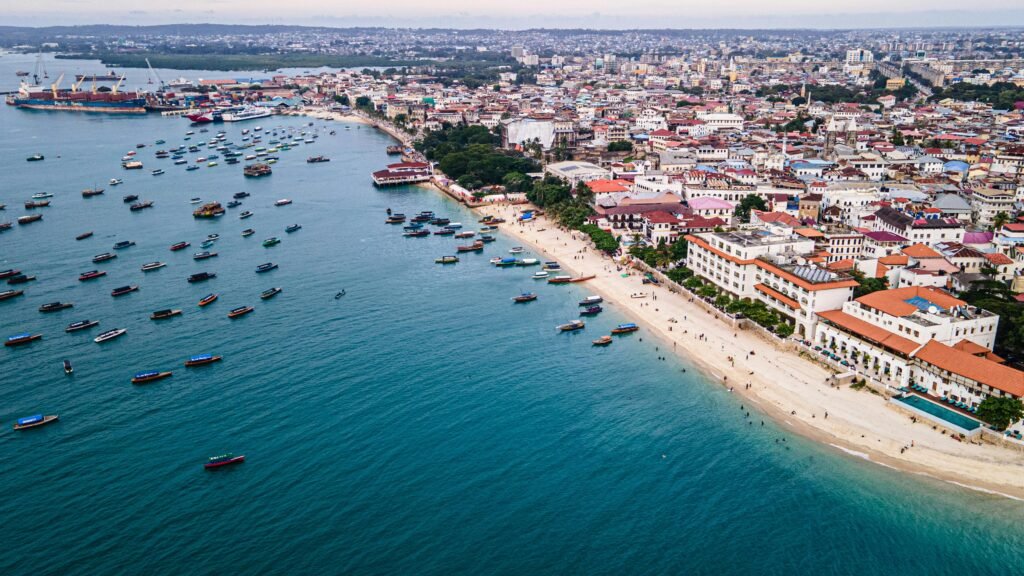
The Ssese Islands are located in the northwestern part of Lake Victoria, which is the largest freshwater lake in Africa. These islands belong to Uganda, a country in East Africa, and they fall under Kalangala District. When talking about the Africa Ssese Islands population, location is very important because it directly affects how many people live there and how they move between islands and the mainland. The islands are not close to big cities, so life there feels calm and separated from busy urban areas. Most people reach the islands by ferry or boat from Entebbe or Bukakata, which makes transportation slower and more dependent on weather conditions.
Because of this isolated location, the population of the Ssese Islands has developed in a unique way. People live closer to the water and depend heavily on Lake Victoria for survival. The distance from major economic centers also means that the islands grow slowly in terms of population compared to mainland towns. However, this isolation has also helped preserve their natural beauty and traditional lifestyle. Many visitors who study the Africa Ssese Islands population are surprised by how balanced life is between nature and human settlement in this region.
Africa Ssese Islands Population Overview
The Africa Ssese Islands population is estimated to be spread across all the islands, but most people live on the larger ones like Bugala Island. Overall, the population is not very large, but it is active and constantly changing due to fishing activities and seasonal movement. Many residents do not stay in one place for a long time because their work depends on fish availability in different parts of Lake Victoria. This makes the population flexible rather than fixed, which is different from typical mainland cities where people stay in one place permanently.
In simple terms, the population of the Ssese Islands in Africa can be seen as a mix of permanent residents and temporary workers. Permanent residents include families who have lived there for generations, while temporary residents include fishermen, traders, and workers who move in and out. Because of this mix, it is difficult to give an exact number, but what is clear is that Bugala Island holds the highest concentration of people. The rest of the islands have smaller communities or are sometimes completely uninhabited. This unique structure makes the Africa Ssese Islands population very different from normal urban populations.
Demographics of the Ssese Islands Population
The demographics of the Africa Ssese Islands population are mainly made up of African ethnic groups, especially people from the Baganda community and other Bantu-speaking groups. These communities have strong cultural ties to fishing and lake life, which has been passed down for many generations. Over time, the islands have become a home for people who are skilled in fishing and small-scale trading. This has shaped a population that is closely connected to the natural environment around them.
Most people living in the Ssese Islands speak Luganda, which is also widely spoken in central Uganda. However, because of movement from other regions, you can also find different dialects and languages mixed within the population. The age structure of the Africa Ssese Islands population is mostly young, as many young men work in fishing while families depend on them for income. This creates a lively but labor-focused community where most daily activities revolve around work, survival, and lake-based trade.
Settlement Patterns and Population Density
The settlement pattern of the Africa Ssese Islands population is uneven, meaning people are not spread equally across all islands. The largest number of people live in Bugala Island, especially in Kalangala town, which acts as the main center for administration, trade, and services. Smaller islands have fewer residents, and some are only used temporarily by fishermen during specific seasons. This uneven settlement is mainly due to differences in access to transport, services, and job opportunities.
Population density is higher in areas close to markets, ferry routes, and fishing zones. In contrast, remote islands remain sparsely populated because they lack basic infrastructure like schools, hospitals, and electricity. The Africa Ssese Islands population also includes many temporary settlers who move depending on fishing conditions, which adds to the changing nature of settlement patterns. This creates a dynamic population structure where some areas feel busy while others remain very quiet and natural.
Factors Influencing Africa Ssese Islands Population Growth
The growth of the Africa Ssese Islands population is influenced mainly by fishing, tourism, and access to transport. Fishing is the most important factor because Lake Victoria provides a large source of income for many families. As fish demand increases, more people move to the islands in search of work. This has slowly increased population in key areas like Bugala Island.
Tourism is another growing factor, as more visitors come to enjoy beaches, wildlife, and island resorts. This creates jobs in hotels, transport, and services, attracting more workers to settle on the islands. However, growth is also limited by poor infrastructure, limited healthcare, and environmental challenges. These conditions slow down rapid population expansion, keeping the Africa Ssese Islands population relatively stable but slowly increasing.
Living Conditions of the Ssese Islands Population
Life for the Africa Ssese Islands population is simple and closely connected to nature. Most homes are basic and built using local materials such as wood and grass. Electricity is available in some areas, especially in Kalangala town, but many rural villages still depend on solar power or no electricity at all. Water is usually collected from the lake or rain sources, which shows how people adapt to their environment.
Education and healthcare services exist but are limited compared to mainland Uganda. Schools are available in larger settlements, but smaller islands often lack proper facilities. Health centers also face challenges in providing advanced treatment, so serious cases are referred to the mainland. Despite these challenges, the population continues to live a stable life by relying on strong community support and traditional knowledge.
Economy and Livelihood of the Population
The economy of the Africa Ssese Islands population is mainly based on fishing, which remains the strongest source of income. Many families depend on catching and selling fish such as Nile Perch and Tilapia. This activity supports both local consumption and export markets. Fishing has shaped the identity of the islands, making it the backbone of the population’s survival.
Apart from fishing, tourism and small-scale farming also play important roles. Hotels, beach resorts, and boat transport services provide jobs for locals. Some people also grow crops and raise animals for food and trade. Forestry and palm oil plantations in certain areas have added more income opportunities. Together, these activities help support the growing Africa Ssese Islands population and improve living standards slowly over time.
History and Future of the Ssese Islands Population
Historically, the Ssese Islands were considered sacred places within the Buganda Kingdom and were known as spiritual centers. Over time, people started settling more permanently as fishing became a major economic activity. During the colonial and post-independence periods, the population increased due to better access and development in Kalangala District. This history has shaped the current structure of the Africa Ssese Islands population.
Looking into the future, the population is expected to grow slowly as tourism expands and infrastructure improves. However, sustainable fishing and environmental protection will play a major role in controlling this growth. If managed properly, the islands can support more people while still protecting their natural beauty. The Africa Ssese Islands population will likely continue evolving as a balance between traditional life and modern development.
FAQs and Conclusion
The Africa Ssese Islands population raises many common questions, such as how many people live there, whether the population is increasing, and what life is like on the islands. In simple terms, the population is relatively small but active, with most people relying on fishing and tourism. The largest concentration is found in Bugala Island, while smaller islands have fewer or temporary residents. The population continues to change due to seasonal movement and economic activities.
In conclusion, the Africa Ssese Islands population represents a unique island community in Africa that lives closely with nature and depends heavily on Lake Victoria. Even though life can be challenging due to limited infrastructure, the people remain resilient and strongly connected to their environment. As tourism and development grow, the population is expected to expand gradually while maintaining its cultural and natural identity.